Introduction: Visual Icons in Al-Qassim Region
Visual icons in Al-Qassim Region represent the most recognizable landmarks that shape the mental image of the region. These icons include urban monuments, heritage sites and natural symbols deeply rooted in Saudi culture.
When we talk about visual icons in Al-Qassim Region, we are talking about places that instantly come to mind when someone hears the name Al-Qassim.
These icons are not just buildings or landscapes. They are mental images. They represent identity, history and culture. Some are modern urban landmarks. Some come from deep history. Others are natural symbols connected to agriculture and seasonal life.
Together, they form the visual identity of Al-Qassim Region within Saudi culture.
What Are Visual Icons
Visual icons are landmarks that people recognize immediately. When you see them, you know where you are.
In Al-Qassim Region, these icons can be:
- Architectural monuments
- Historical and archaeological sites
- Natural and agricultural symbols
They help define the region and are often used as cultural references.
Urban Icons in Al-Qassim Region
Urban icons represent modern development and architectural creativity in region.
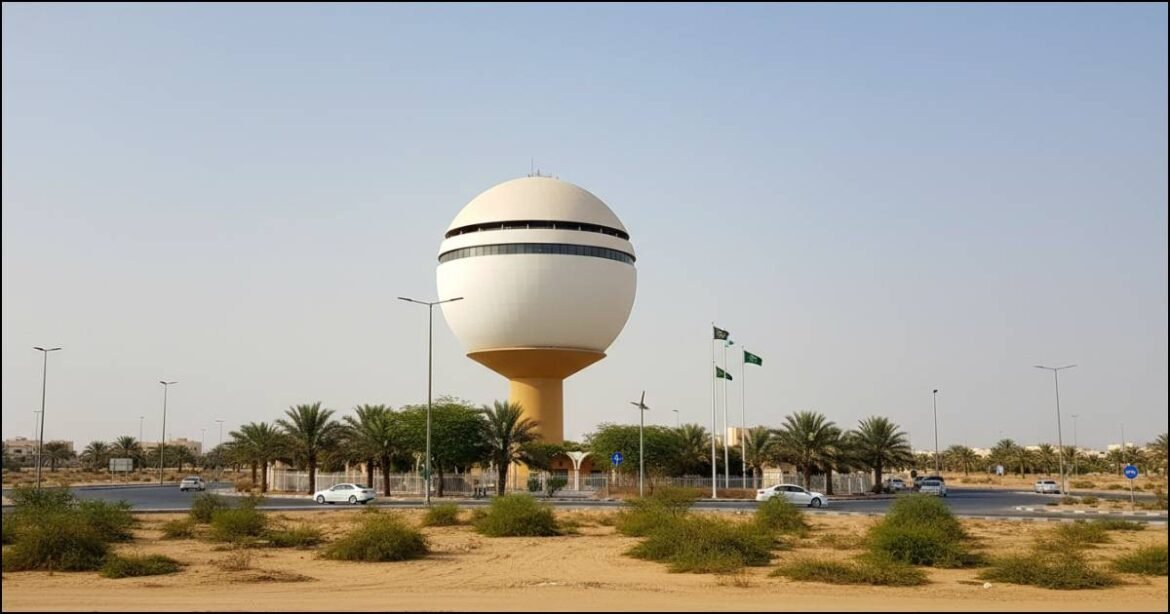
Buraydah Water Tower
The Buraydah Water Tower is one of most famous urban icons in Al-Qassim.
It is locate in city of Buraydah, the administrative capital of the region.
Key features of the tower include:
- Height of 66 meters
- Unique golf ball shaped design
- A water reservoir at the top
- A lounge and restaurant covering 1,000 square meters
- A panoramic plaza with views over the entire city
This tower is not just functional. It is major tourist attraction and a symbol of Buraydah’s modern identity.

King Khalid Cultural Center
Another important urban icon is King Khalid Cultural Center in Buraydah.
This center belongs to the Ministry of Municipal and Rural Affairs and plays a key social and cultural role.
It was inaugurated in 1986 and serves as a venue for events and conferences.
The center includes:
- An indoor theater
- A Roman style outdoor theater
- A main lounge
- A dining lounge
- Meeting halls
- Equipment and storage facilities
- A family garden
The King Khalid Cultural Center represents cultural life and community gatherings in Al-Qassim Region.
Heritage Icons in Al-Qassim Region
Al-Qassim is rich in history. Many of its visual icons come from the past and still stand today.
Al-Shanana Tower
Al-Shanana Tower is one of most important historical landmarks in region.
It is a watchtower that is more than 200 years old.
The tower is located about 5 kilometers west of the city of Rass.
Historically it was used to:
- Monitor surrounding areas
- Detect enemy movements
- Protect nearby settlements
Today it stands as a strong symbol of Al-Qassim’s defensive history.

Al-Bassam Heritage House
The Al-Bassam Heritage House is another major heritage icon.
It reflects traditional Najdi architecture that was common in Al-Qassim in earlier times.
Important details about the house:
- Built in 1955
- Covers an area of 3,500 square meters
- Uses traditional Najdi lighting and ventilation techniques
- Built with local materials
This heritage house attracts many visitors and represents daily life in the region’s past.
Uyun Al-Jiwa
Among the archaeological icons of Al-Qassim Region is Uyun Al-Jiwa.
It is an ancient oasis located about 50 kilometers northwest of Buraydah.
The name Uyun Al-Jiwa means “valley ponds.”
Key historical features include:
- Evidence of human settlement since prehistoric times
- Thamudic inscriptions carved into rocks
- Archaeological remains spread across the area
Nearby, in Al-Hanadir, about 15 kilometers away, more inscriptions can be found.
Al-Murqab Tower
The Al-Murqab Tower is another heritage landmark in the area of Uyun Al-Jiwa.
It is built from mud and brick and was used historically as a lookout tower.
Its main purpose was to monitor enemy movements and protect nearby communities.
Natural Icons in Al-Qassim Region
Nature also plays a major role in visual identity of Al-Qassim.
The region is known for:
- Fertile soil
- Suitable climate
- Abundant water resources
This makes Al-Qassim one of the most important agricultural regions in Saudi Arabia.
Palm Trees and Agriculture
Palm cultivation is the backbone of agriculture in Al-Qassim Region.
Palm farms spread across the region and create a strong visual symbol associated with prosperity and tradition.
Dates are not just a crop. They are part of culture and heritage.
Dates Festivals as Natural Icons
Dates festivals are seasonal visual icons that represent Al-Qassim’s agricultural life.
Famous festivals include:
- Unaizah Dates Festival
- Buraydah Date Festival
- Al-Mithnab Date Festival
- Riyadh Al-Khabra Date Festival
These festivals celebrate harvest seasons and attract visitors from across Saudi Arabia.
Cultural Value of Visual Icons in Al-Qassim
Visual icons help preserve memory and identity.
They:
- Strengthen cultural belonging
- Support tourism
- Educate younger generations
- Represent Saudi heritage visually
In Al-Qassim Region, these icons reflect both tradition and development.
Conclusion
Visual icons in Al-Qassim Region tell the story of a place shape by history, culture and nature.
From modern urban landmarks like the Buraydah Water Tower to heritage sites like Al-Shanana Tower and natural symbols like palm farms and date festivals, each icon plays an important role.
Together, they form the visual identity of Al-Qassim Region within Saudi Arabia.